
Over-stressing Stress: American Psychological Association Report Omits Oppression
Despite noting financial problems, global conflict, and climate crisis, the report was on how individuals could work on their own stress.

What Can Psychedelic Science Teach About Psychosis?
From Aeon: In the 1960s, psychedelic research was driven underground. Now it’s re-emerging – with lessons for the study of psychosis.
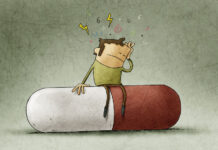
Adding Antipsychotics Worsens Outcomes in Psychotic Depression
Outcomes were worse for all, with young people on combination therapy twice as likely to experience rehospitalization or death by suicide than those on antidepressants alone.

The New WHO and UN Guidance: Psychiatry Must Entirely Change
According to the preeminent health and rights bodies in the world, the WHO and the UN, psychiatry has to change entirely.

How the Psychosocial Approach Provides an Alternative to the Biomedical Model
The biomedical model ignores the social context in which mental distress exists, despite a large body of evidence of that link.

Beyond Police and Psychiatrists: Chicago’s Plan to Transform Community Mental Health
From Jacobin: The Treatment Not Trauma approach seeks to build a bottom-up human infrastructure for community care that seeks “mental health for all by involving all.”

Why Emotional Neglect and Depression Are Often Experienced Together
From Dr. Jonice Webb: Children who receive the message that their emotions are not important, not relevant, or not welcome in their childhood home learn to wall off their feelings — both positive and negative.
The Making of a ‘Madness’ That Hides Our Monsters: An Interview with Audrey Clare...
In this interview, Audrey Clare Farley reveals how our understanding of schizophrenia was built to avoid acknowledging sexual trauma, religious abuse, and racism.

Why Do Only Some People Experience Severe Antidepressant Withdrawal?
Much of the vulnerability to antidepressant withdrawal may be related not to bipolar disorder, but a trait called “bipolarity.”

Critical Psychiatry Textbook, Chapter 16: Is There Any Future for Psychiatry? (Part Six)
In the final blog in Peter Gøtzsche's series, he presents his concluding thoughts and suggestions for the future of psychiatry.

After Antidepressants, a Loss of Sexuality
From The New York Times: Some patients are speaking out about severe sexual problems that have endured long after they stopped taking SSRIs, leaving them unable to enjoy sex or sustain romantic relationships.

Injured, Not Broken: Why It’s So Hard to Know You Have CPTSD
From Brickel & Associates, LLC: Because living in a triggered state of alarm is so familiar, many don’t realize trauma is the source of their feeling “not okay.”

The WHO and the United Nations: Let Freedom Ring for the Mad
This is a call that challenges how psychiatry is practiced today and ultimately challenges its power in society.
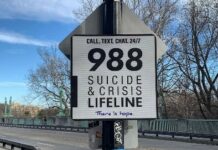
I Secret Shopped #988 and Three Cop Cars Showed Up Outside My House
Although it professes to divert calls away from carceral responses, #988 may actually be increasing involuntary interventions.

‘A Playground for Predators’: Diane Dimond on The Abuses of Guardianship
Our guest today is Diane Dimond, a longtime, award-winning investigative journalist specializing in crime and justice issues. As a freelance journalist, syndicated columnist, and...

The Challenge of Presenting Antidepressant Risks and Benefits
Two goals are in direct conflict for doctors when it comes to antidepressant prescriptions: fully informed consent versus maximizing placebo value.

These Teens Got Therapy. Then They Got Worse.
From The Atlantic: It feels like we should be able to just sit teens down and tell them how to be happier. But that doesn’t seem to work, and sometimes it even backfires.
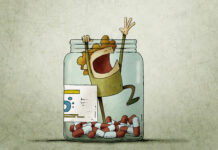
Critical Psychiatry Textbook, Chapter 16: Is There Any Future for Psychiatry? (Part Five)
Discussing how psychiatric drugs lead to a more chronic course for depression and psychosis.

A Secret War, Strange New Wounds, and Silence From the Pentagon
From The New York Times: Many U.S. troops who fired vast numbers of artillery rounds against the Islamic State developed mysterious, life-shattering mental and physical problems that have been all but ignored by the military.

Only One of Five Key Xanax Trials Deemed Positive by F.D.A.
The published literature is misleading, as the negative Xanax trials either went unpublished or were spun to appear positive.

Madness and Method: Exploring the Realm of Unconventional Reasoning
What if madness isn’t a defective form of reasoning, but a distinctive style of reasoning?
Personal Boundaries and Their Violations
From Dr. Gary Sharpe/Out-Thinking Parkinson's: How invasions of physical, mental, emotional, and energetic space damage boundaries and lead to psychological and physical health conditions.

Medication-free Ward in Tromsø, Norway May Soon Close
The Tromsø ward has shown that offering patients the option to forgo psychiatric medication, or to taper from the drugs, can be a successful model of care.

How Literature Teaches Compassion Over Condescension
From Psychology Today: Great works of literature remind us of the humanity of others by allowing us to imagine our way into their woundedness and hear their stories from within.

Most People Who’ve Used the 988 Crisis Line Say They Wouldn’t Turn to It...
From CNN: New research in JAMA Network Open found only a quarter of users said they'd be very likely turn to 988 in the future for themselves or a loved one.