
“Beware, Scientology Related”: How ADHD Experts Silence Criticism
We do not belong to the scientology movement, but this false accusation triggered an email correspondence that exposed the problematic happenings usually behind closed academic curtains.

#RestoreTheirRights: An Update on Guardianship Action
It’s time to change the conversation around guardianship. The question is not “When do we remove someone’s rights?” but “How can we best support them?”

What Liberal Admonishers of Left Psychiatry Critics Get Wrong | Bruce Levine
From CounterPunch: It is disappointing to see Jacobin accepting the mainstream liberal narrative that goes like this: If one cares about alleviating emotional suffering, one must defend psychiatry.

Some Schools Bringing Back Corporal Punishment; Parents Opt In as Students Protest
From TODAY: "Corporal punishment signals to the child that a way to settle interpersonal conflicts is to use physical force and inflict pain," said the American Academy of Pediatrics in a 2014 statement.

Child Frustration Breeds Race Hatred; Columbia Scientist Finds Punishment of Baby Is Seed of...
From Project NoSpank/The New York Times, December 22, 1940: The aggressiveness which adults exhibit, said Dr. Ashley Montagu, is originally produced during childhood by parents, teachers, nurses, or whoever else participates in the process of socializing the child.

Our RCT Fetish: How the “Gold Standard” for Research Has Led to A Societal...
After Joanna Moncrieff and colleagues published their study debunking the low-serotonin theory of depression, the editor of Mad in Sweden, Lasse Mattila, wrote Sweden’s...

The NY Times Suddenly Discovered We’re Giving Kids Dangerous Drugs
From the New York Post: The New York Times' splashy story about the overmedication of children was 20 years too late. Why does obvious damage to children go ignored for so long?

The Culture Is the Poison: Why Psychedelics Are Dangerous Medicine in a Neoliberal Society
Extraction of psychedelics from the ritual process has dissociated them from community, connectedness, and responsibility, which used to define psychedelic drug use.

As a Cop, I Know Police Contempt for Drug Users Is Still Widespread—And It...
From Filter: The US drug-warrior mentality reflects many troubling things, but what strikes me the most is its lack of compassion for people who use drugs and their families.

In Afghanistan, a Quiet Epidemic of Mass Psychogenic Illness
From Undark: Mass psychogenic illness is “a collective stress response,” says medical sociologist Robert E. Bartholomew, and “everyone is potentially susceptible because it’s based on a belief” — in many cases, of a perceived threat.

A Developmental Response to Trauma and Trauma Language
Understanding life events (and/or our responses to them) as trauma has transformed how we suffer and how we relate to pain.

Our Gut Feelings Are Not Luxuries | Gabor Maté, MD
From Sustainable Human: When we are alienated from our gut feelings, we no longer have a sense of reality, nor a sense of truth.

Relational Disconnection as ‘Mental Illness’ | Darcia Narvaez, PhD
From Kindred Media: Many of the most problematic behaviors are not considered “mental illness” by the DSM, though they would be by any indigenous psychology standard.

Top 10 Myths About the Critics of Psychiatry
Service-users' experience was at the heart of everything the critics spoke about, as well as the importance of relying on the most up-to-date and accurate evidence.

Are New Guidelines in Order? The Psychexperience – Interview with Robert Whitaker
From The Pyschexperience: Dr. Nardi, creator of the New England Psychiatry Mentorship Institute (NEPMI), interviews Bob Whitaker about his 2010 book Anatomy of an Epidemic: Magic Bullets, Psychiatric Drugs, and the Astonishing Rise of Mental Illness in America.
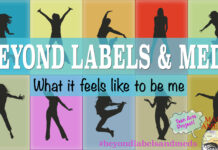
Call for Teen Art in All Media!
MIA's Family Resources and Arts sections are co-sponsoring an online teen multimedia art exhibition with the theme “Beyond Labels and Meds: What It Feels Like to Be Me.”

Major Depression: The “Chemical Imbalance” Pillar Is Crumbling—Is the Genetics Pillar Next?
A more detailed critical evaluation of molecular genetic studies, which have failed to discover genes shown to cause depression.

Forced Treatment Isn’t What Unhoused People Need
From The Nation: People need four things to be in recovery: permanent supportive housing, community, purpose, and health care. This is not what California's new CARE Court provides.

Behavior Therapy Helped My Patients Through Antidepressant Withdrawal
In behavior therapy, enduring psychological discomfort is an essential aspect of therapy leading to recovery. This may have implications for withdrawal experiences.

This Teen Was Prescribed 10 Psychiatric Drugs. She’s Not Alone.
From The New York Times: The problem of multiple medication use, or polypharmacy, that first emerged a decade ago among young people in foster care and low-income settings, has now gone mainstream.

Brainwashing in the Medical Training | Two Letters to Alice Miller
From alice-miller.com: Just as children are often blamed for anything that happens to them, patients are often blamed, and thus denied adequate care, for their afflictions.

Driving Ourselves Crazy: Car Culture as Collective Madness
From Mental Hellth: The dominant belief is that cars form a welcome and irreplaceable part of modern life and that their benefits outweigh the negatives. What advantages, though, do they really bring?

Beyond Drugs: The Universal Experience of Addiction | Gabor Maté, MD
From drgabormate.com: Most addicted people use no drugs at all, and addiction cannot be understood if we restrict our vision of it to substances, legal or illicit.

Mad Parenting: On Becoming an Unlikely Family Man
I’ve often been told I shouldn’t have kids because I’m “bipolar.” But since my twins’ birth, I’ve been way more stable than I thought I would be, and I’ve found what I’ve always been looking for.

The Phobic Avoidance of Attending to Real World Mental Health Outcomes
The avoidance of real-world outcome measures in research seems almost phobic. Yet this type of outcome should be considered the most important.