
News reports from around the world have documented sexual assaults by staff and other patients in inpatient psychiatric wards. In the UK, sexual assault of patients in psychiatric facilities has been called a “national scandal” and “commonplace,” while experts in the US have referred to these cases as a “systemic problem.” A new systematic review published in BJPsych Bulletin finds that sexual violence in psychiatric hospitals is not simply the result of perpetrators’ behavior. According to the authors, led by Yue Deng from King’s College London, institutional cultures of permissiveness and dismissal around sexual assault, as well as inadequate safeguarding, significantly contribute to sexual violence in inpatient facilities. The authors write:
“Participants’ accounts suggest that sexual violence was often minimised – by patients themselves but also by staff. Some patients seemed to downplay non-physical harassment as a means of coping with a hostile environment, whereas others reported that staff had dismissed their concerns. This pattern echoes the concept of institutional betrayal, where trusted institutions fail to protect or validate individuals, thereby compounding harm … Participants described adopting their own safety strategies – locking doors, avoiding certain peers or confronting inappropriate behaviour. Although these actions reflect the boundary-setting and heightened vigilance described in trauma theory, they also signal a transfer of responsibility for safety from the institution to the individual. Such reliance on patient-led resistance risks exacerbating emotional strain, as indicated by accounts of chronic fear, hypervigilance, dissociation and withdrawal.”
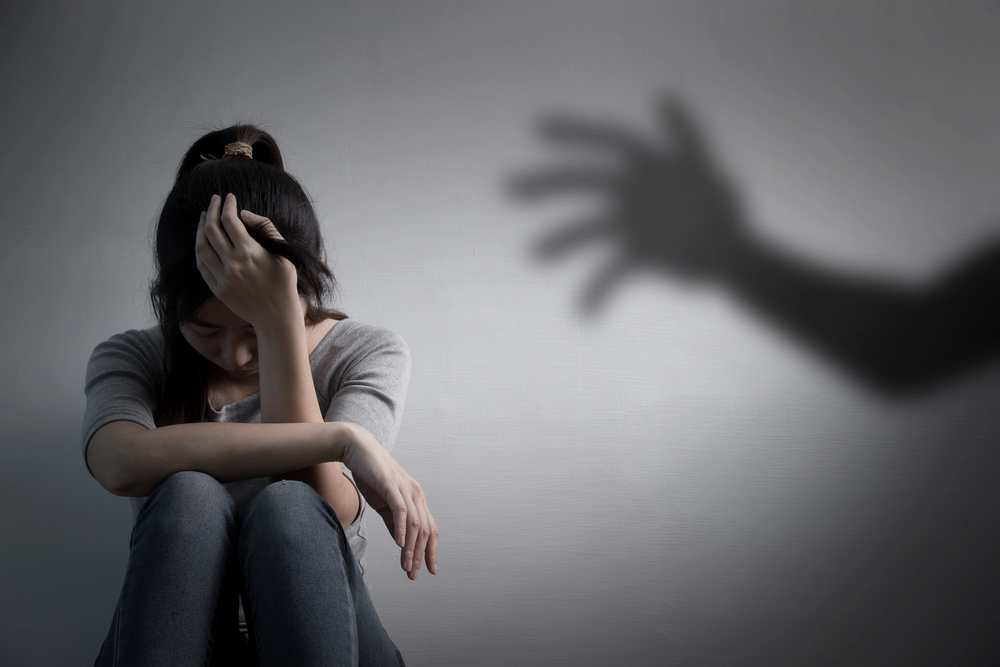
Sexual Assault in Inpatient Psychiatric Wards is Common, Traumatic, and Often Not Reported
A 2013 report found that women admitted to psychiatric wards in Victoria, Australia experienced high levels of sexual assaults, with 45% saying they had experienced sexual assault during inpatient admission and 85% saying they felt unsafe while hospitalized. When patients reported sexual assault, 82% said the nurses were “not at all helpful.” Research from the US found similar numbers, with up to 45% of patients reporting sexual violence during inpatient admission. Reports from both the UK and US have identified staffing shortages and other systemic issues as contributing to the high sexual assault rates in inpatient psychiatric settings.
A 2018 investigative report from The Age found that sexual assaults were often not reported to police or patients’ families, with families being told in only 25% of cases and police reports filed in just 40%. A 2021 ProPublica investigation found that staff at a Chicago psychiatric hospital did not report the possible sexual assault of a patient until journalists began asking questions. An investigation by SkyNews and The Independent found that just 11% of sexual assault allegations in NHS mental health trusts were referred to the police. In 2023, The Guardian reported that psychiatric patients making sexual assault allegations are often not believed, with one patient detailing how staff accused her of lying and took no action after she reported an assault.
Past research has linked sexual assault to a number of poor psychological outcomes including increased risk of PTSD, depression, suicide, anxiety, emotional distress, alcohol dependence, sleep disturbances, antisocial and borderline personality disorders, schizophrenia, and psychosis.
Study Details
This study aimed to collect and examine research around patients’ experiences of sexual violence in psychiatric inpatient settings. In order to be included in the current research, studies had to be peer-reviewed, qualitative investigations of first-hand accounts related to experienced or witnessed sexual assaults during inpatient admission, or perceived sexual safety within inpatient wards. In total, the authors examined data from six studies including 78 participants. Most included studies focused on female patients admitted to mixed-gender psychiatric wards. The authors analyzed interview data from all included studies for recurring themes.
Most participants in the included studies were women (63 of 78, 80.8%). Participants reported numerous experiences of sexual violence and assault, including sexual harassment, sexualized comments, intimidation, coercion, exploitation, and sexualized physical violence. The authors identified three overarching themes in the data.
(1) “A culture of permissiveness and dismissal” dealt with how sexual violence is normalized in inpatient psychiatric settings through both patients downplaying the seriousness of their experiences and an institutional culture that often ignores patients’ concerns. The authors believe that patients sometimes downplayed sexual harassment and other inappropriate behaviors as a way of coping with the unsafe ward environment. Staff frequently dismissed reports of sexual violence and harassment or treated incidents as insignificant. Patients reported that staff often ignored or delayed responding to concerns around sexual safety. There were also some reports of staff sexually harassing patients and crossing personal boundaries. Overall, patients felt that staff did not take their concerns seriously.
(2) “Everyday fear, hypervigilance and resistance” dealt with patients’ persistent fear of experiencing sexual violence and their sense that it was up to them to prevent it. Patients reported heightened anxiety and vigilance due to the threat of sexual violence. Some patients developed strategies to defend against sexual assault, including locking bedroom doors and avoiding other patients. Those that were sexually assaulted reported fear, disgust, increased psychological distress, hypervigilance (as often seen in PTSD), dissociation, immobility, and emotional withdrawal. The authors note that patients often felt responsible for their own safety. This means the institutions were likely not providing adequate safety and protection. The increased distress and hypervigilance related to the fear and/or experience of sexual violence also undermined recovery.
(3) “Gendered power dynamics in open and mixed-gender spaces” dealt with how the physical layout of inpatient wards and power imbalances contributed to patients’ vulnerability. Mixed-gender wards and insufficiently separated sleeping areas increased the likelihood of unwanted sexual encounters. For example, some female participants reported male patients entering their bedrooms at night. A lack of staff supervision made some patients feel unsafe in certain areas of the wards. Some female patients that were involuntarily detained reported feeling powerless because they were unable to leave the ward or remove themselves from unsafe situations.
The authors argue that improving patient safety around sexual violence cannot be accomplished by simply responding to individual incidents. Instead, they believe it would require significant changes to the organization and culture of psychiatric services.
Trauma-informed care can ensure that staff and patients recognize the potential impact of sexual violence. This would also include treating patients that report sexual violence sensitively and without judgment. Psychiatric hospitals should provide gender-specific spaces, especially for sleeping and personal areas. Inpatient facilities need consistent procedures for identifying, reporting, and responding to sexual violence. Staff should receive training around how to appropriately handle reports of sexual assault and maintaining professional boundaries. These facilities must also create an environment where reporting sexual assault does not result in dismissal or negative consequences and ensure that patient safety is the responsibility of the healthcare institutions rather than the individual patients. The authors conclude:
“Sexual violence in psychiatric in-patient care is enabled by ward cultures that normalise harm, weak safeguarding and gendered power imbalances. Urgent action is needed to implement trauma-informed, gender-sensitive practices and secure spatial boundaries and consistent incident responses, alongside policies that enable safe disclosure and accountability.”
This research had several limitations. Only a small number of studies and participants were included in the current work. The sample had limited representation of men and no representation of non-binary or transgender individuals. The included studies all came from Western, English-speaking countries. The small, non-representative sample as well as the lack of included studies from outside the Western world significantly limits the generalizability of the findings. Sexual violence was not the primary focus of most of the included studies. This means that some experiences were likely not explored with sufficient depth.
****
Deng, Yue, Butler, J., & Oram, S. (2026). Patients’ experiences of sexual violence in psychiatric in-patient care: Systematic review and synthesis of qualitative studies. BJPsych Bulletin, 1–8. (Link)












“patients often felt responsible for their own safety”
I was responsible for my own safety. Incarcerated against my better judgment in a fraudulent psychiatric hospital (the state later shut down – documented in Rob Wipond’s book “Your Consent Is Not Required”) Two different men.
I would like to point out that I am female and 6 feet tall. I have taken the police sponsored course in “self defense for women”. I had my fists out, locked in that facility. Never before, or after – have I had my fists out. It is highly unusual for any male to challenge me. I am not a soft target! Leaving church (everyone stands and files out) I noticed that I am within the top 10% of the tallest people in that congregation.
These were patients and “not in their “right” minds”. When I objected to these men’s behavior, the staff mocked me. I suggested that the facility was courting a lawsuit, and that resulted in more mocking. I experienced my one and only – ever – panic attack.
“patients often felt responsible for their own safety”
The facility was like a prison. You couldn’t see out. About the size of a basketball court – eleven mixed gender elderly (old fashioned term, not accommodating current thought about this term) trapped there. One man stalked me, apparently for his amusement, as I reacted? It was unclear to me whether this man could function outside of an institution. The other man used my bathroom and toothbrush. He was prone to stuffing a sock in his pants to emphasize xxx. He had pulled a fire alarm when they admitted him. He had no recall that his family had visited him, only hours earlier. My point being that these men were not in any kind of normal state of mind.
I was released because I accepted the county provided lawyer to represent me, for the required court hearing for people being held against their will. A long shot. Who does a county lawyer actually represent? But enough to scare off the fraudsters and gain my freedom. I want everyone reading here to know about this.
I witnessed horrible things. One third of these elderly were asking for charity assisted living. One woman (of color) had been held there for months and was extremely angry (they called that mania – I call the anger justified!). The man with no memory obviously had a loving family with money – most everyone else were impoverished elderly. I wore the same pair of underwear for eleven days, washing them in the shower, and wearing them to dry while wearing them. My roommate was a benzo addict – old and poor, afraid to live on her own, worried about her stash.
I am not mentally ill. I was suffering from paradoxical anxiety as a side effect of taking
Klonopin for 15 years – as needed (originally prescribed to tolerate domestic abuse). I was not addicted. I suffered no horrendous withdrawal from this drug. But the drug had altered my brain. 5 months after cold turkey on this drug, was the last of this drug brain altered state of paradoxical anxiety. I lead an ordinary life, these days – with friends and activities and paying my bills etc.
This was all 10 years ago. It is possible to regain one’s life!
Though I will admit that it has taken 10 years to be able to stand up and say that these horrible things happened. And more importantly – how I was treated – was not – my fault!
It is not my fault that you treat me the way you do!
I am treated better at the Tire Shop, getting a flat tire fixed, then at any healthcare facility (USA). I am not stupid. I know the difference.
There is hope.
Report comment
i think that i was physically sexually raped by the staff during a psychiatric hospital stay in the UK in 1990. i have certain memories of it all, but i was very unwell in severe psychosis & very heavily medicated at the time & it is very hard to be more clear about what actually happened.
Report comment
Oh, Mark, I’m so sorry to hear that! Nothing is lower than taking advantage of a person in a vulnerable state in that way.
Are you able to get some support for this? There’s a lot more support for male survivors than there used to be. I hope you can find someone else who can support you through this.
Report comment
I recently spoke to someone who works for psychiatric industry . I was told of an incident where a mentally disabled patient who was about intellectually on a 4th grade level, and who was sexually assaulted by a staff member-a tech to be specific. The victim was given a candy bar for silence.
The incident was interrupted by a nurse who entered the room.
I bowed up and asked if the incident was reported immediately- 911 called by the nurse with the nurse’s cell phone.
No, it was reported to “The Board”.
When I further questioned whether the victim’s family was informed of what occurred- the same statement was repeated- it was reported to The board.
As if the nurse had done a “good”thing, the “right” thing reporting to The Board. Perhaps they rationalized – the “only” thing they could do.
I will state that most assuredly if the nurse had done what was right and needed- called 911 immediately because someone was being raped, that individual would have more than likely lost their job. Maybe not right away, but it would have happened one way or the other.
The nurse would have opened the institution up to liability and corporations require one’s loyalty to be to them, which this particular nurse obediently complied with, showing their discretion to protect the company and not the patient. Probably won them kudos.
Don’t get me wrong, doesn’t make this nurse evil, it makes them human, but unfortunately, it also makes them a perpetrator at the same time.
I am sure they did not sign up for such when they took the job.
This is not a new phenomenon- it is just a reality of how the world works.
What is needed is a world with enough people who do not hesitate to do the right thing. Who call 911 right away without debating internally what sacrifice and harm may befall them. Not everyone needs to have such character and values, but we definitely need as many as possible in order to counter those without.
That is the only cure I can see of any benefit.
Report comment
Annie get yr Gun? It is true though, every crazy Any and Bob has an AK 47 (not really, the whatever is better). Indeed, how do you break the spell, where people can look at each other without feeling threatened. I know what lies at its roots, ahh the shame the shame, lets find a scapegoat to concentrate our weak minds on. Go for it. Dont be fooled by the retarded doctors and psychiatrists. Their intelligence relies strictly on consensus. Lets agree to agree to this in secret and force everybody else to comply.
Report comment
It’s actually quite sad if you take an objective stance. Who is the victim here? The group taking care of the “patient” seem to have immunity, protected by the state (the state has a simple, so it seems, task, dollars and (lets not mention the) cents (people don’t matter in their delusional grand scheme). (there is no they, only confusion if multiple minds coalesce and form a bond). As the “grubs” in the background like to say, “it’s complex”. If my comment is at all confusing, do prod a little. All ok there, sherife? The “e” is intentional. I think it has to do with misunderstanding each others “wavelength”. The problem lies in the length. It’s complex, as they say. Want to draw straws? You know, the guy (it’s always the guys) that (is) are forced to choose … ah (argh), why bother. The answer is always the simplest one. But to choose it means so much … ok … did jack and jill really go up that hill to fetch a pail of water … or were they being naughty again. A true “christian” catholic would cower if you mentioned “his” most profound teachings, a fake it and probably not make it preacher or most anyone else would argue the tiny details. In the meantime, the gu (y, as i said before, its always a guy) on the cross (he is getting cross or mad) is not liking it. The “scapee goatyyy” logic of tragi and i hope, comedy. For me at least, this all stinks to high whatever. Dollars and cents is 1950’s. It could be roubles or yuan or euros. it’s catchy.
Report comment
nooky. this is from al (Al as in “albert”?) the angry looking jarreau (i (I, see below) hope I spelled it correctly). Maybe shes hiding in a ditch, maybe she just wants to rob you blind, maybe she … it’s sad. I don’t really want to spell it out, because it is painful as in a broken leg and having to walk a mile. … in Lisbon. Is it ok for the capital “I” here? Just asking. I know the “grubs” will object, so be it, see above.
Report comment
By now, i have the lot of you “shrinks” or whomever you serve, in the palm of my little hand ~(not hands). A quick death? no no. A life is short, the other side of infinity, well, lemme think about it …. moddafkkers. KNOW this much is true. Too much for the sheriif? Ahh, pity them.
Report comment
Tik Tok. Life is short. From the Elephant to the Termite Queen, to the worm. But … it’s your choice and I hold the key. I was told long ago that i am not a nice boy, but … here is the catch … smarter than all the rest (even combined, we know how group think gets messy). Have some sympathy, life is short, revenge, or, if you prefer, justice, will be served. as long as it takes, and I am really keen to find out how long a mind that insists on staying in the present, actually can. Trial and error. Like it? I think it sounds quite poetic. If you dont’ like my prose, well, tough bananas. A banana doesnt last forever. One banana, mind you. No childish arguments. A body? No, one person cannot rule the world, put him in a cage with three other bodies, and if that body gets vicious, the three others will eat him or her (but she is too cute to count into the scientfic malfeasance equation). Beauty and the Beast? Not glamour book beauty, just muscle vs whatever gets you upset. For the record, I was never upset in my life, its “complex”, as in whadda ya want? Conqur pain? Is tha it? Give me time, lots of it. I can help. But I wont, muddafucker. Sounds quite groovy, sheriffe? I think so. Very poetic, nice choice of words, not your typical retard. How can that be?
Report comment
Have you ever stopped to think about the concept “whats in it for you”?. Someone who is already dirty to the bone, is arguing against what idea exactly? It boggles the mind. “How low can you go”?. I know, the “Cambridge and Oxford debating Challenge”. If you ever want to see scifi rabies in words, follow a debate.
Report comment
A bit haphazard, my poetry above. I could improve on it, but it took about 2 minutes to write. You know, someone else saying could you clarify that bit … for the reader(s).
Report comment
i would like a score. 1 out of 10, 2 out of ten. Someone in psychiatry. Or anyone? Nada, zero, zilch? come on have some courage, or show some courage. 1 out of ten is not an insult.
Report comment
So when you were dragged into a facility against your will. And you were told you are suicidal that’s why they have to keep you. They stand you up in the middle of the night and strip you naked in front of ALL FEMALE NURSES and all they tell you is “WE HAVE TO” then they confiscate all your clothing and everything you have and give you mental patient jammies, just like they gave the Jews in the concentration camps. if you complain about your treatment the next morning,they put you on massive doses of antipsychotics just to shut you up. I have a term for this. I call it medical assault. I. Can only say thank you for just one thing the PTSD that I have as a going away present. EVIL PEOPLE DO EVIL THINGS.
Report comment